
Blog category
Other repair guides
Everything we've written about other repair — from common faults and costs to running that work profitably.
- 6 articles
Latest other articles
 other11 min read
Adding Electronics Repairs to an Existing Repair Shop
Adding electronics repairs to an existing repair shop can expand revenue streams, but success depends on upfront investments in tools, training, and inventory—along with a realistic break-even timeline. This guide breaks down the costs, profitability thresholds, and operational adjustments needed to integrate electronics repairs without overextending your business. Whether you’re eyeing smartphones, laptops, or wearables, data-driven insights help you decide which categories align with your shop’s expertise and local demand.
Read article → other11 min read
How to Get More Electronics Repair Customers Locally
Electronics repair shops thrive on local demand, but standing out in a crowded market requires more than just technical skill—it demands smart, targeted marketing. This guide cuts through the noise to show you which channels actually drive customers, how to structure your service page for conversions, and the referral sources most repair shop owners overlook. With data on 2026 pricing trends, common cost traps, and actionable tactics, you’ll learn how to fill your shop with steady, profitable work without wasting ad spend on channels that don’t deliver.
Read article → other10 min read
A Quality Control Checklist for Electronics Repairs
A second repair for the same issue costs a shop 2.5x more in labor and parts—and frustrates customers. The difference between a one-time fix and a repeat job often comes down to a systematic electronics repair quality control process. This checklist covers the post-repair checks that stop devices from coming back, how to embed them into your workflow (not just paperwork), and what data to track to protect your margins. Missed steps here mean lost revenue, wasted parts, and damaged reputation.
Read article → other8 min read
How to Price Electronics Repairs for Profit in 2026
Pricing electronics repairs correctly is the difference between a profitable shop and one that’s constantly chasing revenue. In 2026, repair shop owners must factor in labor costs, parts markup, diagnostic fees, and customer expectations—while knowing when to walk away from a job. This guide breaks down how to build a price list that covers costs, ensures margin, and keeps your business sustainable, with real-world examples and data to avoid common pitches like underpricing labor or ignoring declining quotes.
Read article →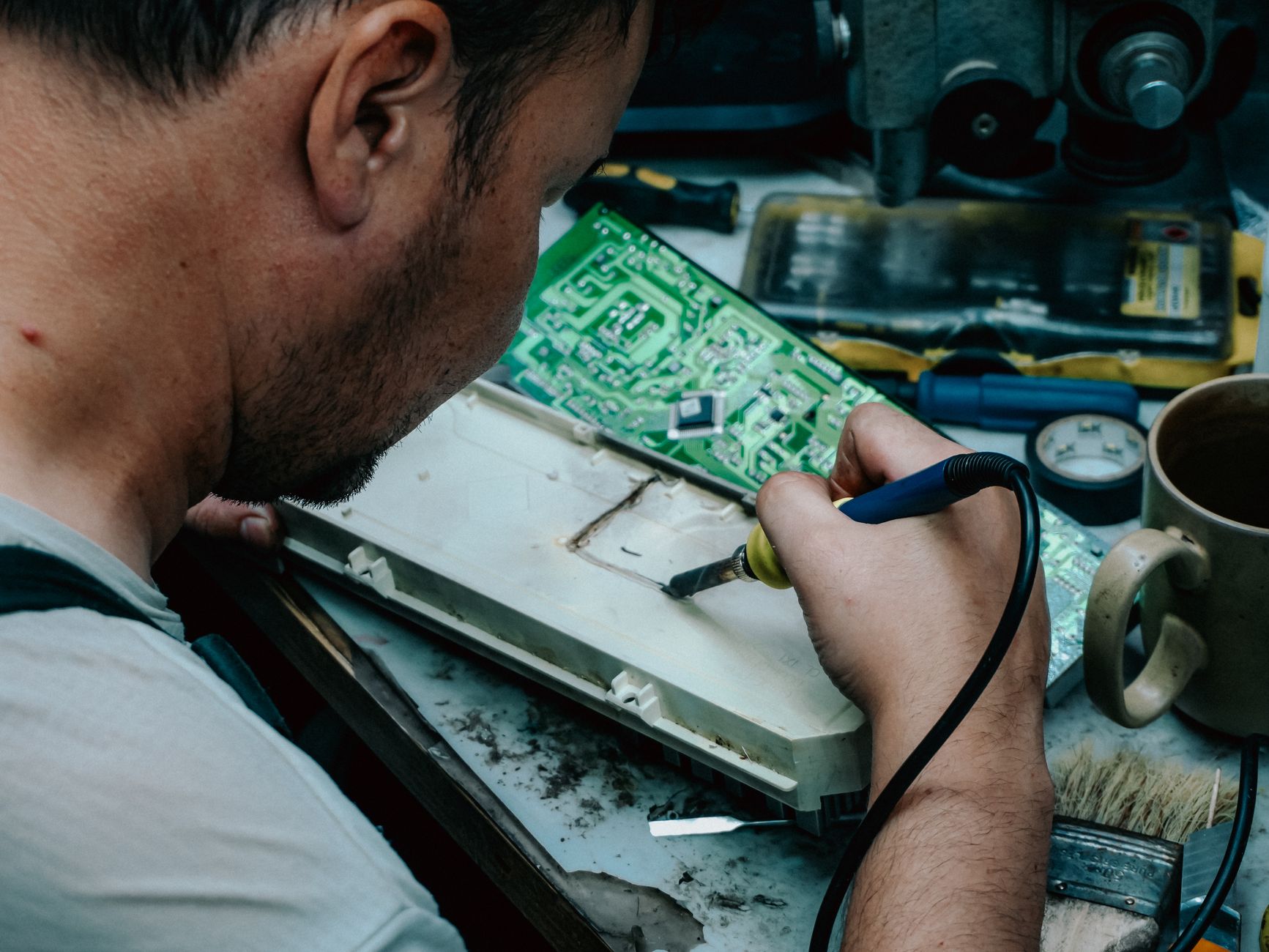 other13 min read
Setting a Warranty Policy for Electronics Repairs
A well-defined electronics repair warranty policy protects your business from costly disputes while building trust with customers. This guide covers standard warranty periods for parts and labor, what to exclude to avoid abuse, how to document repairs accurately, and how to handle genuine repeat failures—all while keeping your margins intact. Learn how to balance customer satisfaction with profitability by implementing a policy that works for your repair shop in 2026.
Read article →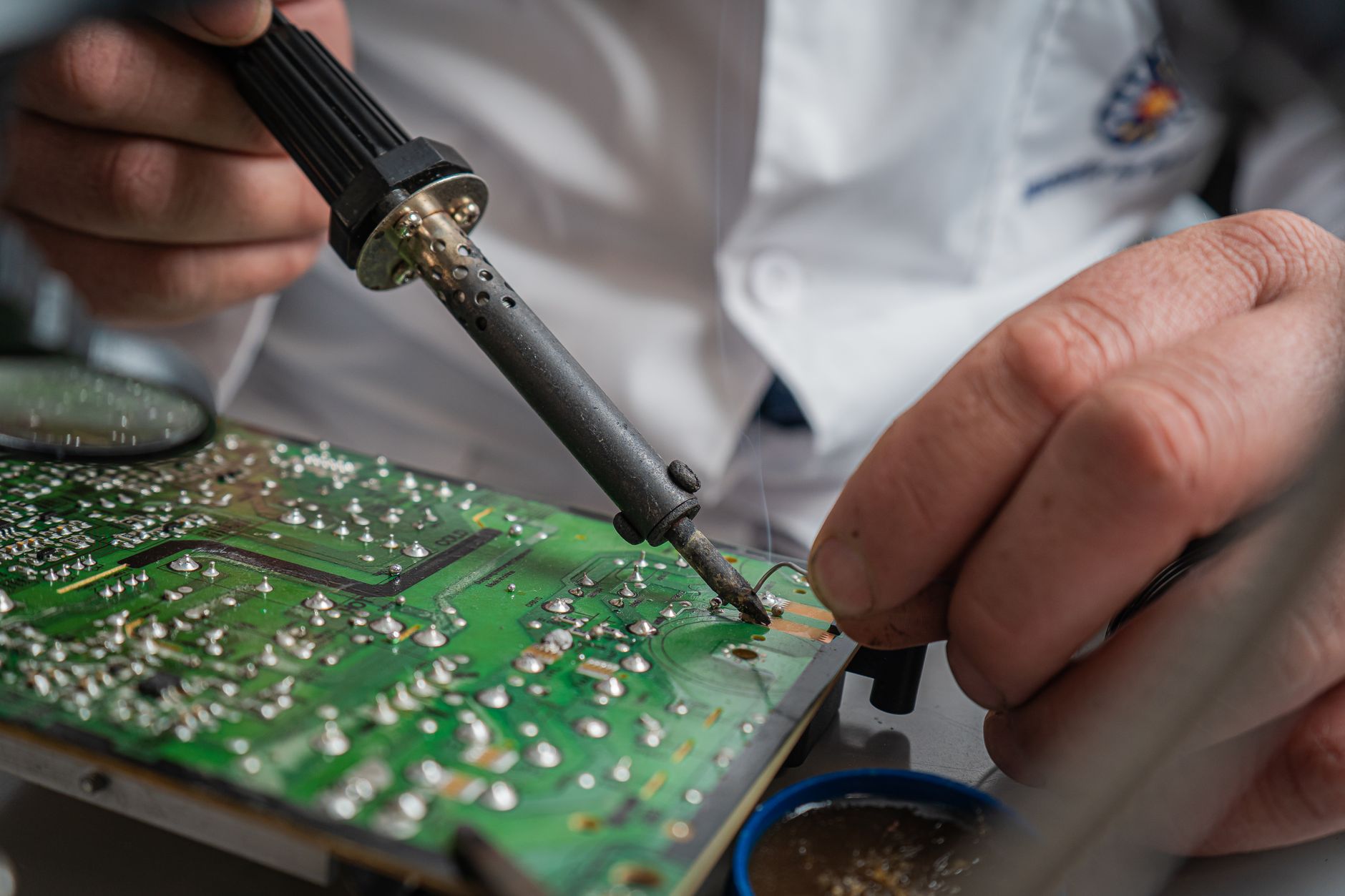 other12 min read
Electronics Repair Turnaround Times: What Customers Expect
Managing electronics repair turnaround times is a balancing act between customer expectations, parts availability, and shop capacity. Too fast, and you risk cutting corners on quality; too slow, and you lose repeat business. In 2026, repair shops must set realistic deadlines, communicate delays proactively, and use data-driven tools to keep promises. This guide breaks down typical turnaround times for common repairs, the hidden factors that cause delays, and how to turn potential frustrations into customer loyalty—without sacrificing margins.
Read article →
Run a other repair business?
See how The Quick Repairs handles the tickets, parts and invoicing behind that work.