
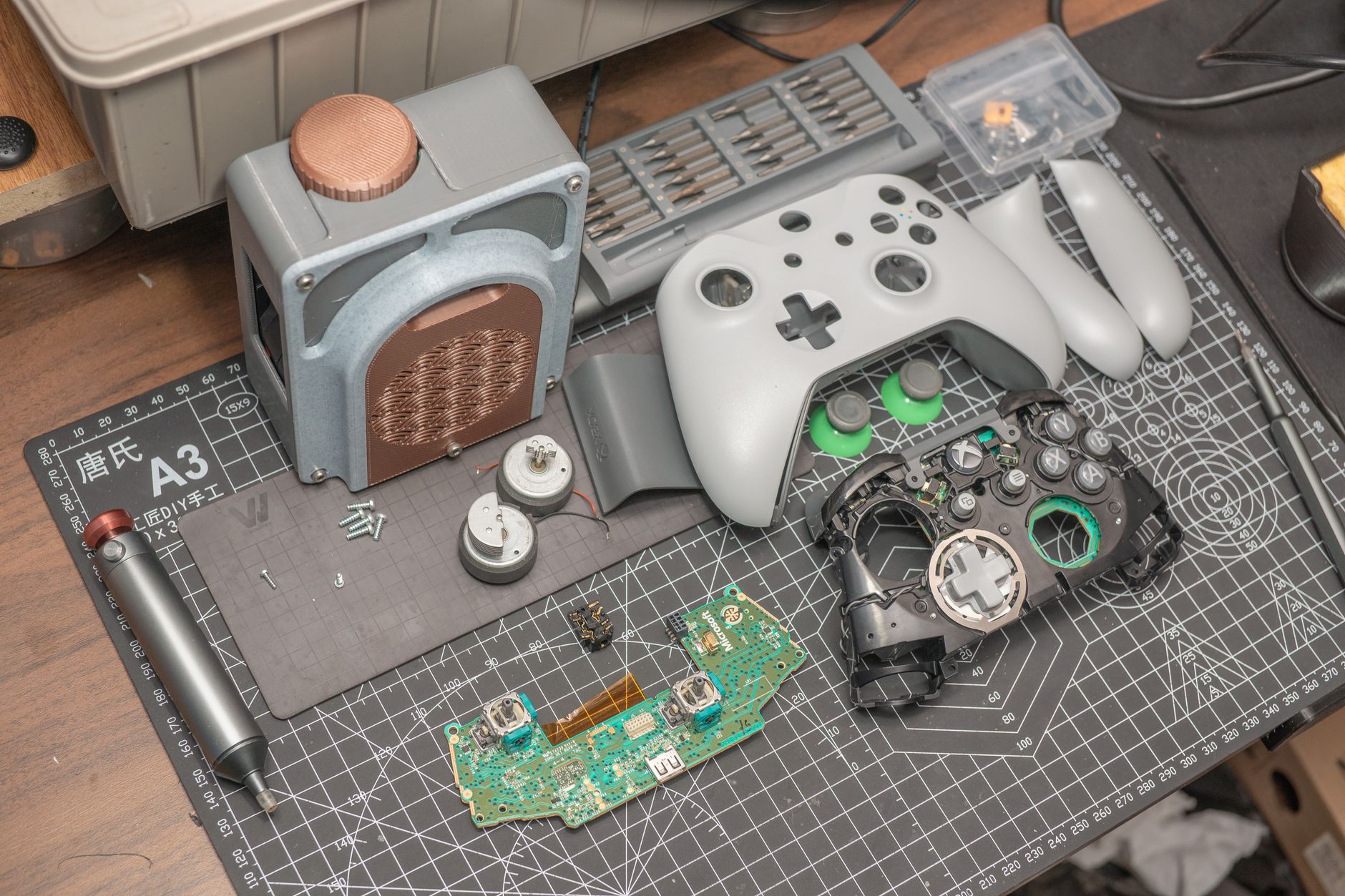
Running a console repair shop in 2026 means balancing precision repairs with tight margins—and small mistakes can add up to lost revenue. Whether it’s unbilled diagnostic time, ordering the wrong variant of a PlayStation 5 GPU, missing warranty claims, or overpromising turnaround times, these errors drain profitability. The difference between a $200 repair and a $200 loss often comes down to systems, not just skills. This guide breaks down the most costly mistakes in console repair shops and how to fix them before they hit the bottom line.
Mistakes That Cost Console Repair Shops Money
Console repair shops thrive on repeat business, high-margin repairs, and efficient operations—but even the best technicians can lose thousands annually due to preventable errors. In 2026, the average console repair shop sees $120–$300 per job in revenue, yet hidden costs like misdiagnoses, parts mismatches, or missed warranties can erode those profits by 15–25%. The key isn’t just fixing devices; it’s running the business side with the same precision as a soldering iron.
Below, we’ll cover the five most expensive mistakes console repair shops make—and how to avoid them with better processes, software, and attention to detail.
Key Takeaways
- Unbilled diagnostic time costs shops $50–$150 per job if not tracked.
- Wrong-variant parts (e.g., PS5 vs. PS5 Digital Edition) can add $30–$100 in wasted inventory.
- Missed warranty records mean lost reimbursements averaging $80–$200 per claim.
- Overpromising turnaround times leads to 30%+ customer churn if repairs run late.
- Poor part tracking increases labor costs by 10–15% due to rework.
1. Unbilled Diagnostic Time: The Silent Profit Killer
Every console repair starts with a diagnosis—but if that time isn’t billed, it’s money left on the table. Technicians often spend 20–40 minutes inspecting a device before determining the issue, yet many shops either:
- Don’t charge for diagnostics at all (losing $50–$150 per job).
- Undercharge (e.g., billing $20 for a 30-minute check when the real cost is $60).
- Forget to log the time, leaving it unbilled until the end of the job.
How to Fix It
- Set clear diagnostic fees (e.g., $30–$50 for consoles, tiered by complexity).
- Use a POS system that tracks time per ticket—not just labor hours for repairs.
- Train staff to log diagnostics immediately (most repair software, like The Quick Repairs POS, automates this).
Example: A shop repairing 50 consoles/month loses $2,500–$7,500 annually just from unbilled diagnostics.
2. Ordering the Wrong Part Variant (PS5 vs. PS5 Digital, Xbox Series X vs. S)
Console models evolve quickly, and one wrong part can derail a repair. Common mistakes:
- Mixing up physical vs. digital editions (e.g., ordering a PS5 GPU for a Digital Edition console).
- Confusing Xbox Series X/S motherboards (differences in RAM and cooling).
- Using OEM vs. third-party parts without verifying compatibility.
A real-world cost:
| Mistake | Wasted Part Cost | Labor Cost (Replacement) | Total Loss |
|---|---|---|---|
| Wrong PS5 GPU variant | $80–$120 | $40–$60 | $120–$180 |
| Xbox Series S/X mix-up | $70–$100 | $35–$50 | $105–$150 |
| Incompatible third-party RAM | $40–$60 | $25–$40 | $65–$100 |
How to Avoid It
- Label parts by exact model (e.g., “PS5 120Hz GPU – Physical Edition”).
- Use a parts inventory system that flags mismatches (like The Quick Repairs inventory tools).
- Cross-check with the customer’s console model before ordering.
Pro Tip: Some shops keep a “last resort” bin of common parts (e.g., PS5 power supplies) to avoid last-minute scrambles.
3. Missing Warranty Claims (Leaving $80–$200 on the Table)
Warranty work is free money—but if you don’t document it properly, you’ll miss out. Common oversights:
- Not verifying warranty status upfront (some customers assume it’s covered when it’s not).
- Losing paperwork (receipts, proof of purchase) if stored manually.
- Failing to submit claims on time (manufacturers like Sony and Microsoft have 30–90 day windows).
Industry Data (2026):
- 42% of console repairs could be warranty-covered, but only 28% are claimed due to poor tracking.
- The average warranty reimbursement for a console repair is $120–$200.
How to Recover Lost Revenue
- Scan and store warranty proof digitally (avoid lost paperwork).
- Set reminders for claim deadlines (most POS systems can automate this).
- Train staff to ask for proof of purchase—even if the customer says it’s under warranty.
Example: A shop repairing 100 consoles/month could recover $1,200–$2,000 annually by improving warranty tracking.
4. Overpromising Turnaround Times (And Losing Customers)
Customers hate waiting—and if you promise a 24-hour repair but take 48 hours, they’ll take their business elsewhere. The average console repair takes:
- Same-day: 3–5 hours (screen replacements, minor repairs).
- 1–2 days: Board-level repairs, GPU replacements.
- 3–5 days: Complex logic board issues.
Problem: Many shops underpromise to win jobs, then overdeliver on time—leading to:
- 30%+ customer churn if repairs run late.
- Negative reviews (“Took 3 days when they said 1”).
- Lost repeat business (68% of console repair customers return if happy, but only 32% return if late).
How to Set Realistic Expectations
- Break repairs into tiers (e.g., “Same-day for screens, 2 days for boards”).
- Use a repair status system to update customers automatically (like The Quick Repairs notifications).
- Overcommunicate delays—customers forgive honesty more than broken promises.
Data Point: Shops using automated repair updates see 20% fewer complaints about turnaround times.
5. Poor Parts Tracking (The Hidden Labor Cost)
Every time a technician can’t find a part quickly, they waste 10–15 minutes searching—time that should be billed to the customer. Common issues:
- Parts stored without clear labels (e.g., “PS5 Board” vs. “PS5 Pro Board”).
- No real-time inventory updates (leading to overordering or stockouts).
- Lost or misplaced parts (e.g., a $100 GPU hidden in a drawer).
Avoidable Costs:
| Issue | Time Wasted (Per Search) | Labor Cost (Tech Pay) | Annual Loss (50 Repairs/Month) |
|---|---|---|---|
| Misplaced part | 10–15 min | $15–$22 | $900–$1,320 |
| Overstocked parts | $50–$100 wasted inventory | – | $2,500–$5,000 |
| Stockout delays | 30–60 min extra labor | $45–$90 | $2,700–$5,400 |
How to Streamline Parts Management
- Barcode or QR-code parts for instant tracking.
- Use a POS with inventory alerts (e.g., The Quick Repairs system).
- Conduct weekly audits to catch discrepancies early.
Pro Tip: Some shops color-code parts by model (e.g., blue for PS5, green for Xbox) to speed up selection.
The Bottom Line: Fix the Systems, Not Just the Consoles
The most profitable console repair shops don’t just fix devices—they eliminate waste in diagnostics, parts, warranties, and customer communication. The good news? Software can handle 80% of these issues—from tracking unbilled time to flagging warranty claims.
If you’re still managing repairs with spreadsheets, sticky notes, or manual logs, you’re leaving money on the table. The Quick Repairs POS helps shops like yours:
Bill every minute of diagnostic work (no more lost revenue).
Track parts by exact model (avoid $100+ mistakes).
Automate warranty claims (recover thousands annually).
Set realistic repair times (keep customers happy and loyal).
Ready to stop losing money to avoidable mistakes? Talk to an expert about how The Quick Repairs can streamline your shop’s operations.
For more insights, check out: