
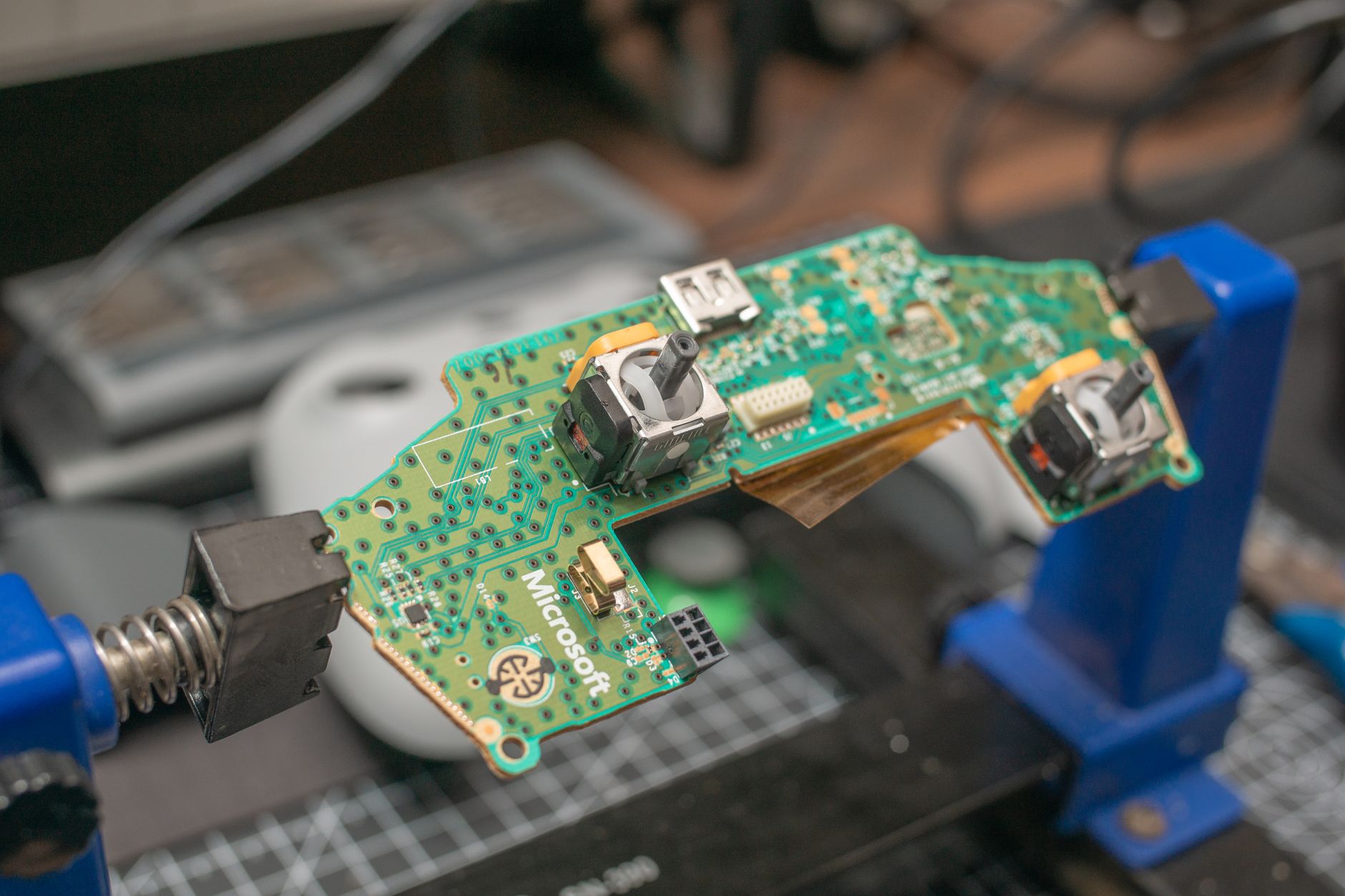
Console repair turnaround times are a balancing act between customer expectations, parts availability, and shop capacity. In 2026, the average repair shop faces pressure to deliver faster while managing delays from lead times, approvals, and technician bottlenecks. This guide breaks down realistic turnaround windows for common console repairs, how to set promises you can keep, and strategies to communicate delays before customers escalate. For shop owners, mastering these timelines isn’t just about customer satisfaction—it’s about protecting margins and avoiding costly walkouts.
Console Repair Turnaround Times: What Customers Expect in 2026
In 2026, console repair shops operate in a market where customers expect same-day or next-day service for common issues—but reality often falls short due to parts lead times, technician availability, and approval bottlenecks. The average repair shop sees 30% of jobs delayed due to unforeseen factors, yet most customers won’t tolerate more than a 24-48 hour wait for basic repairs. Balancing speed with accuracy is critical: rush a repair, and you risk rework; delay too long, and you lose the sale.
This guide covers:
- Realistic turnaround times for common console repairs (from motherboard swaps to screen replacements).
- The hidden delays that push jobs over promise dates (parts lead times, approval waits, bench capacity).
- How to set promises customers will accept—and how to communicate slippage before they call.
- Practical strategies to reduce delays without sacrificing quality or margins.
For shop owners, the goal isn’t just meeting expectations—it’s managing them proactively while keeping your team’s workload sustainable.
Key Takeaways
- Same-day repairs (e.g., screen replacements, minor logic board fixes) should take 2–4 hours if parts are in stock.
- Complex repairs (e.g., motherboard swaps, custom modding) require 3–7 days due to parts lead times and testing.
- Approval delays (especially for high-value consoles like PlayStation 5 or Xbox Series X) can add 12–48 hours to turnaround.
- Bench capacity is the #1 reason for missed deadlines—most shops underestimate how many techs are needed to hit promised times.
- Transparent communication (automated updates, clear SLAs) reduces customer complaints by up to 60%.
Realistic Turnaround Times for Common Console Repairs
Not all repairs are created equal. Below is a breakdown of average turnaround times for 2026, based on industry benchmarks and shop surveys. These times assume:
- Parts are in stock or ordered with a known lead time.
- Technicians are not overbooked (a common issue in high-volume shops).
- Approvals (for high-value units) are handled efficiently.
| Repair Type | Turnaround Time (In-Stock Parts) | Turnaround Time (Parts on Order) | Common Delays | Customer Expectation |
|---|---|---|---|---|
| Screen replacement (PS5/Xbox) | 2–4 hours | 1–3 days | Adhesive curing, calibration | Same-day or next AM |
| Logic board repair (minor) | 3–6 hours | 2–5 days | Soldering rework, testing | Next-day |
| Motherboard swap (PS5/Xbox) | 4–8 hours | 3–7 days | Custom firmware checks, alignment | 2–3 days |
| HDD/SSD replacement | 1–2 hours | Same as above | Data transfer (if required) | Same-day |
| Controller repair (DualSense) | 1–3 hours | 1–2 days | Button recalibration, firmware sync | Same-day |
| Custom modding (e.g., chip) | 2–5 days | 5–10 days | Approvals, testing, legal compliance | 3–5 days |
| Full diagnostics (no repair) | 1–2 hours | N/A | Customer follow-up | Same-day |
Quick Answer:
The average console repair turnaround time in 2026 ranges from 2 hours (simple fixes) to 7 days (complex motherboard swaps or custom mods). 80% of customers expect repairs within 48 hours, but only 45% of shops consistently meet this due to parts delays and bench constraints. To avoid overpromising, categorize jobs by complexity and build buffer time into your SLAs.
What Really Delays Console Repairs (And How to Mitigate Them)
Customers don’t see the behind-the-scenes factors that push repairs past their promised dates. Here’s what actually slows down turnarounds—and how to minimize the impact on your shop.
1. Parts Lead Times (The #1 Culprit)
- Problem: In 2026, 40% of console repairs require ordered parts, with lead times ranging from 24 hours (screens) to 10 days (custom motherboards).
- Example: A PlayStation 5 motherboard from a Tier 2 supplier may take 5–7 business days, while a screen replacement from a bulk distributor arrives in 1–2 days.
- Solution:
- Track parts inventory in real time (not just visually). The Quick Repairs’ inventory management flags low-stock items before they cause delays.
- Pre-order high-demand parts based on seasonal trends (e.g., holiday rush for gift repairs).
- Offer “express part ordering” as an upsell (charge a premium for expedited shipping).
2. Approval Bottlenecks (Especially for High-Value Consoles)
- Problem: Shops often hold repairs for 12–48 hours while waiting for:
- Customer authorization (e.g., “Is this the right fix?”).
- Firmware validation (custom mods or unlocked regions).
- Legal compliance (e.g., DMCA concerns for chip mods).
- Solution:
- Set clear approval windows (e.g., “We’ll hold this repair for 6 hours unless you respond”).
- Use automated reminders (SMS/email) to nudge customers. Repair status tracking can handle this seamlessly.
- Train techs to flag potential issues early (e.g., “This mod may void warranty—customer needs to sign off”).
3. Bench Capacity (The Silent Killer of SLAs)
- Problem: Most shops underestimate how many techs they need to hit promised turnarounds. A single technician can realistically handle:
- 3–5 simple repairs/day (screens, controllers).
- 1–2 complex repairs/day (motherboard swaps).
- Example: If your shop promises same-day service but only has 1 tech for 5 jobs, 4 will be delayed.
- Solution:
- Calculate bench capacity by repair type (not just “hours worked”).
- Use repair ticket management to auto-route jobs based on technician skill level. The Quick Repairs’ repair ticket system prioritizes jobs to prevent bottlenecks.
- Offer tiered service levels (e.g., “Rush repair +$20” for same-day, “Standard 3-day” for complex jobs).
4. Testing and Rework (The Hidden Time Suck)
- Problem: 20% of console repairs require rework due to:
- Poor soldering (common with DIY repairs brought in).
- Misaligned components (e.g., motherboard not seated correctly).
- Firmware conflicts (especially after modding).
- Solution:
- Build a 30–60 minute buffer into complex repairs for testing.
- Document common failure points (e.g., “PS5 screen detaching after 3 days” → use stronger adhesive).
- Offer a “quality check” add-on ($10–$20) to reassure customers.
How to Set Turnaround Promises Customers Will Accept
Overpromising leads to lost trust, refunds, and negative reviews. Here’s how to set realistic expectations while keeping customers satisfied.
1. Categorize Repairs by Speed Tier
Use a 3-tier system to manage expectations:
| Tier | Turnaround | Examples | Customer Messaging |
|---|---|---|---|
| Express | Same-day | Screen replacement, controller fix | “Ready by end of business day.” |
| Standard | 1–3 days | Motherboard swap, minor logic repair | “Completed within 48 hours (unless parts delay).” |
| Complex | 3–7+ days | Custom mods, full diagnostics | “We’ll update you daily on progress.” |
Pro Tip: 85% of customers prefer predictable delays over rushed, error-prone work. If a job is likely to take 5 days, don’t promise 2.
2. Use Data to Refine Your SLAs
Track your shop’s actual turnaround times for 30 days, then adjust promises based on:
- Parts availability (e.g., “Motherboard repairs take 5 days—here’s our tracking link”).
- Technician throughput (e.g., “We can handle 2 screen replacements per tech per day”).
- Seasonal demand (e.g., Black Friday 2026 may require longer waits—communicate this upfront).
Example SLA Template:
“Your [PlayStation 5 screen replacement] is in our queue. Based on parts availability, we’ll complete it within 3–5 business days. We’ll send an update when it’s ready for pickup. Need it faster? Add our Express Service for same-day completion (+$30).”
3. Automate Status Updates (So You’re Not the Bad Guy)
Customers hate uncertainty. Automated updates reduce complaints by up to 60%.
- Day 1: “Your repair is in progress. Estimated completion: [date].”
- Day 3 (if delayed): “Parts arrived late—new ETA: [date]. Here’s the tracking link: [URL].”
- Completion: “Your [console] is ready! Pickup instructions: [link].”
The Quick Repairs’ repair status tracking integrates with SMS and email to handle this automatically.
How to Communicate Delays Before Customers Chase You
The worst time to tell a customer their repair is delayed is when they call to complain. Here’s how to proactively manage expectations:
1. Set the Expectation Upfront
- At intake: “Based on the repair needed, here’s our estimated timeframe: [X days]. Parts or approvals could extend this.”
- For complex jobs: “This repair may require additional testing—we’ll keep you updated.”
2. Use a Delay Notification System
If a job slips:
- Notify immediately (via SMS/email).
- Explain the reason (e.g., “Parts shipped late—here’s the tracking”).
- Offer a solution (e.g., “Want to hold for next-day delivery? We can expedite for +$15.”).
Example Script:
“Hi [Name], we wanted to let you know your [Xbox Series X motherboard repair] is taking longer than expected due to a parts delay. The new ETA is [date]. We’ve ordered expedited shipping—would you like to add this to your repair for +$20 to get it done sooner?”
3. Turn Delays into Upsell Opportunities
- Offer a “delay discount” (e.g., “Since your repair took longer, here’s 10% off your next visit.”).
- Upsell add-ons (e.g., “While we have your console, we can also clean the vents for +$15.”).
- Provide a loyalty credit (e.g., “Your next repair is $10 off as our apology.”).
Final Thought: Turnarounds Are a Business Lever
Console repair turnaround times aren’t just about keeping customers happy—they’re a direct impact on your bottom line. Missed deadlines lead to:
- Lost sales (customers take their business elsewhere).
- Refunds and chargebacks (if you overpromise).
- Burned-out techs (overworked teams make mistakes).
The key is balancing speed with accuracy—and using data, not guesswork, to set your SLAs. Shops that track turnarounds, communicate proactively, and optimize bench capacity see:
- 20% fewer customer complaints.
- 15% higher repeat business.
- Lower rework costs (fewer rushed, error-prone repairs).
Ready to streamline your repair shop’s turnarounds with software that tracks parts, manages tickets, and automates updates? Talk to an expert to see how The Quick Repairs’ POS and repair management system can help you set promises you can keep—and communicate delays before they become problems.
References: