Watch repair work is often assumed to be profitable, but the reality is far more nuanced when accounting for labor costs, parts markup, warranty returns, and dead stock. While high-end watches can yield strong margins, most repair shops struggle with thin profits—or even losses—on routine service. This article breaks down the actual watch repair profit margin in 2026, where the money is, and when a shop should cut losses on certain repairs. We’ll cover hidden costs, pricing strategies, and how software like The Quick Repairs can help track profitability per job.
Is Watch Repair Work Actually Profitable?
Watch repair is a staple for many repair shops, but profitability isn’t as straightforward as it seems. Between fluctuating parts costs, labor time underestimation, and the growing trend of customers opting for replacements over repairs, many shops are left wondering: Is watch repair work actually profitable in 2026? The answer depends on the type of watch, the shop’s pricing strategy, and how well it manages hidden costs like warranty returns and dead stock.
For shop owners, the key isn’t just fixing watches—it’s tracking the true cost per repair and adjusting service offerings accordingly. Below, we’ll dissect where profits hide (and where they disappear), how to price repairs for sustainability, and when to stop taking certain jobs altogether.
Key Takeaways
- High-end watches (Rolex, Patek Philippe, Omega) can yield 40–70% profit margins when parts and labor are priced correctly, but these require specialized technicians and inventory.
- Mid-range watches (Seiko, Citizen, Casio) often operate on 10–30% margins after accounting for parts, labor, and warranty risks—many shops break even or lose money on these.
- Smartwatches (Apple Watch, Garmin, Fitbit) have negative margins for most shops due to cheap third-party parts and short repair lifespans (average 18–24 months before obsolescence).
- Hidden costs—like warranty returns (15–25% of jobs), dead stock parts (5–10% of inventory), and technician downtime—can erode profits by 20–40% if unmanaged.
- Software automation (e.g., tracking parts against each job) is critical for accurate pricing and profitability analysis.
The Reality of Watch Repair Profit Margins in 2026
The watch repair profit margin varies wildly depending on the brand, model, and type of repair. What looks profitable on paper often disappears when you factor in:
- Parts markup (some brands require OEM parts, others allow aftermarket—prices differ by 30–100%).
- Labor time (a simple battery change takes 15–30 minutes; a water damage repair can take 3–6 hours).
- Warranty returns (15–25% of watch repairs fail inspection or are returned under warranty).
- Dead stock (parts that expire or become obsolete, tying up 5–10% of inventory).
- Technician skill level (a master watchmaker charges $120–$200/hour; a general repair tech charges $60–$90/hour).
Quick Answer: What’s the Real Watch Repair Profit Margin in 2026?
For most repair shops, watch repair profit margins average 10–30% after all costs—but this drops to negative 5–15% for smartwatches and budget mechanical watches. High-end luxury watches (Rolex, Patek Philippe) can hit 40–70% margins if priced and serviced correctly. The break-even point is often $150–$300 per repair; below that, shops lose money unless volume makes up for it.
Where the Money Really Is (And Where It Isn’t)
Not all watch repairs are created equal. Some jobs are cash cows; others are money pits. Here’s where to focus—and where to cut losses.
1. High-End Luxury Watches: The Gold Mine (If You Have the Expertise)
Luxury brands like Rolex, Patek Philippe, Omega, and Audemars Piguet command premium prices for repairs. Why?
- OEM parts are mandatory, but they’re also highly marked up (e.g., a Rolex movement repair kit costs $800–$2,500).
- Labor rates are justified—a Rolex service can take 4–8 hours at $150–$200/hour, totaling $600–$1,600 in labor alone.
- Customers expect (and pay for) quality—warranty returns are lower (<10% vs. 15–25% for mid-range watches).
Example Profit Breakdown (Rolex Datejust Service):
| Cost Factor | Estimated Cost (USD) | Notes |
|---|---|---|
| Parts (movement kit) | $1,200 | OEM required |
| Labor (6 hours) | $900 | $150/hour |
| Shop overhead | $300 | Rent, utilities, software |
| Total Cost | $2,400 | |
| Retail Price | $3,500–$4,500 | Industry standard for Rolex service |
| Profit Margin | 40–50% |
When to Stop:
- If you don’t have a certified master watchmaker on staff.
- If your shop lacks authorized dealer access for genuine parts.
- If warranty claims exceed 10% of jobs (indicates quality control issues).
2. Mid-Range Mechanical Watches: Thin Margins, High Volume
Brands like Seiko, Citizen, Tissot, and Orient are popular, but margins are 10–30%—often eaten by:
- Aftermarket parts (cheaper but may fail sooner, increasing returns).
- Lower labor rates ($60–$90/hour vs. $150+ for luxury).
- Higher warranty returns (15–25% due to DIY fixes or part failures).
Example Profit Breakdown (Seiko 5 Sports Service):
| Cost Factor | Estimated Cost (USD) | Notes |
|---|---|---|
| Parts (kit) | $80–$150 | Aftermarket or OEM |
| Labor (2 hours) | $120–$180 | $60–$90/hour |
| Shop overhead | $50 | |
| Total Cost | $250–$380 | |
| Retail Price | $350–$500 | Competitive pricing |
| Profit Margin | 10–30% |
When to Stop:
- If labor costs exceed 40% of the repair price (e.g., a $200 repair taking 3 hours at $60/hour = $180 in labor).
- If warranty returns exceed 20% (indicates poor part quality or technician errors).
- If customer demand drops (e.g., Seiko watches now have 3–5 year lifespans before major repairs are needed).
3. Smartwatches: The Money Loser
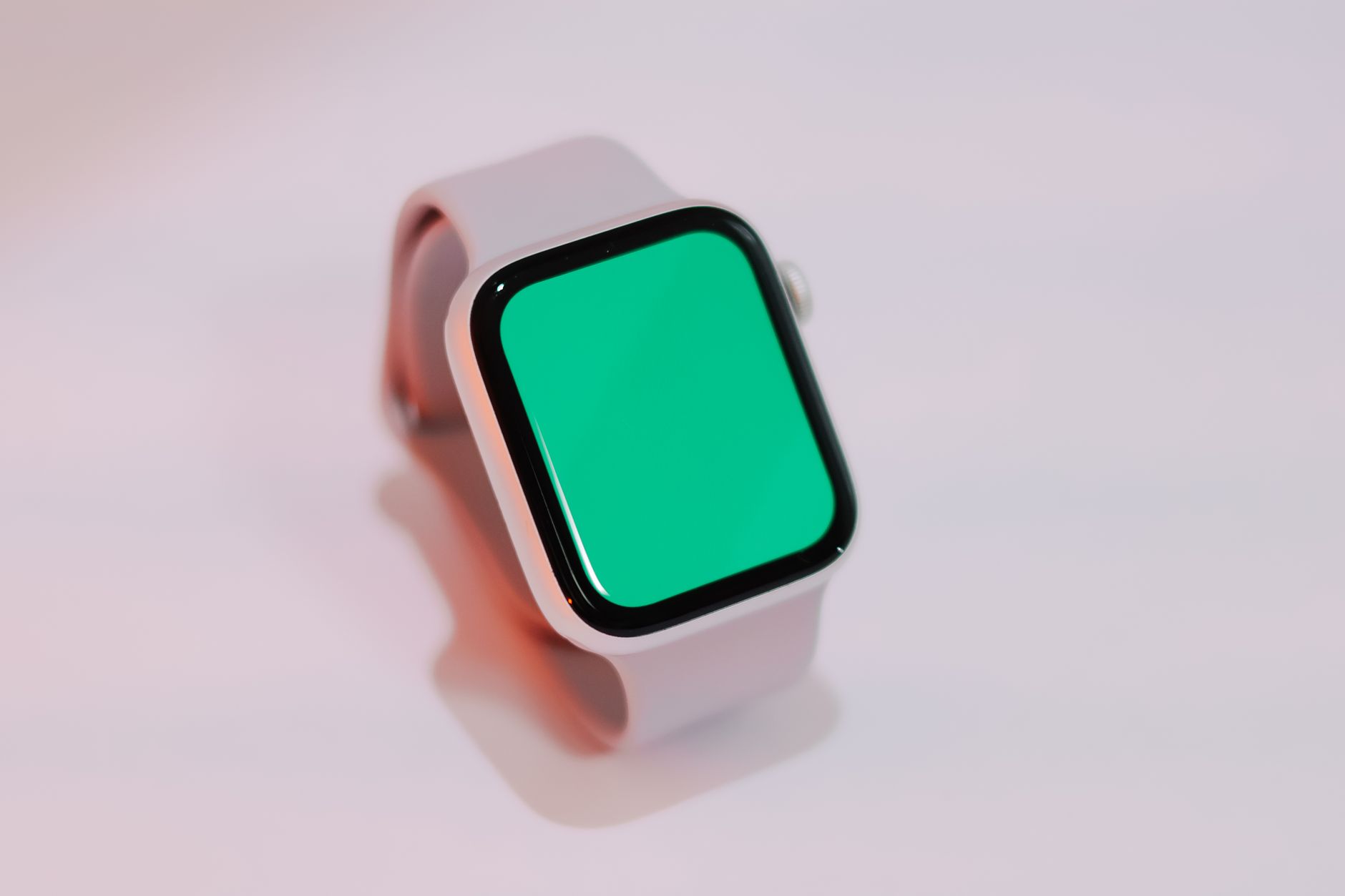
Smartwatches (Apple Watch, Garmin, Fitbit) are the least profitable category for repair shops in 2026. Why?
- Parts are ultra-cheap (a screen replacement costs $15–$30, but labor takes 1–2 hours).
- Short repair lifespan (average 18–24 months before obsolescence or next-gen replacement).
- High competition (many shops undercut prices to $50–$100, making it impossible to turn a profit).
Example Profit Breakdown (Apple Watch Screen Replacement):
| Cost Factor | Estimated Cost (USD) | Notes |
|---|---|---|
| Parts (screen) | $20 | Aftermarket |
| Labor (1.5 hours) | $90–$135 | $60–$90/hour |
| Shop overhead | $20 | |
| Total Cost | $130–$175 | |
| Retail Price | $80–$120 | Industry standard |
| Profit Margin | -20% to -50% |
When to Stop:
- Immediately. Unless you have bulk volume (e.g., 50+ Apple Watch repairs/month), this category destroys margins.
- Consider a "repair vs. replace" policy—offer a $50–$100 discount on a new watch if the repair cost exceeds 60% of the device’s value.
Hidden Costs That Kill Watch Repair Profits
Even if a repair looks profitable on paper, hidden costs can turn it into a loss. Here’s what most shops miss:
1. Warranty Returns (15–25% of Jobs)
- Problem: Customers return watches within 30–60 days for "not working properly" or "loose parts."
- Solution:
- Inspect thoroughly before final approval (use a watch testing jig to check movement accuracy).
- Offer a limited warranty (e.g., 30-day workmanship guarantee) to reduce disputes.
- Track return rates by technician—high returns may indicate poor soldering, adhesive failure, or torque issues.
2. Dead Stock Parts (5–10% of Inventory)
- Problem: Parts expire (e.g., Seiko batteries last 3–5 years; older stocks become useless).
- Solution:
- First-in, first-out (FIFO) inventory (sell oldest parts first).
- Set expiration alerts in your inventory management system.
- Avoid overstocking—order parts in smaller, frequent batches.
3. Technician Downtime (10–20% of Labor Costs)
- Problem: Technicians spend 10–20% of their time waiting for parts, troubleshooting, or dealing with warranty issues.
- Solution:
- Pre-order common parts (e.g., Seiko battery kits, Apple Watch screens) to reduce wait times.
- Train technicians on quick diagnostics (e.g., using a watch winding machine to test movements faster).
- Use scheduling software to block time for deep repairs (e.g., water damage takes 3–6 hours—don’t let it get interrupted).
4. Underpricing Due to Competition
- Problem: Shops near big-box electronics stores (Best Buy, Micro Center) or mall kiosks get undercut.
- Solution:
- Charge for diagnostics ($20–$50) to filter out low-margin jobs.
- Offer packages (e.g., "Full Service Special" = $299 for battery, movement, and case polish).
- Upsell add-ons (e.g., water resistance test ($15), strap replacement ($30)).
How to Price Watch Repairs for Maximum Profit in 2026
Pricing isn’t just about covering costs—it’s about maximizing lifetime value per customer. Here’s how to do it right:
1. The 70% Rule: Labor + Parts Shouldn’t Exceed 70% of Retail Price
- Example: If a repair costs $150 in parts and labor, the minimum retail price should be $250 (70% rule).
- Why? This ensures profit after overhead, warranty risks, and dead stock.
2. Tiered Pricing Based on Watch Value
| Watch Category | Repair Price Range (USD) | Notes |
|---|---|---|
| Luxury ($5K+) | $300–$5,000+ | Rolex, Patek, Omega |
| Mid-Range ($500–$2K) | $150–$600 | Seiko, Citizen, Tissot |
| Budget ($50–$300) | $50–$200 | Casio, Timex, basic digital watches |
| Smartwatches | $50–$150 | Apple Watch, Garmin, Fitbit |
3. Dynamic Pricing for High-Demand Repairs
- Charge more for:
- Water damage repairs (requires ultrasonic cleaning, movement disassembly—add $50–$100).
- Crystal replacements (sapphire vs. mineral—$30 vs. $80 difference).
- Strap replacements (leather vs. metal—$20 vs. $50).
4. The "Repair vs. Replace" Strategy
- If repair cost > 60% of watch value, offer:
- A discount on a new watch (e.g., "Trade in your broken watch for $100 off a new Seiko").
- A limited-time repair special (e.g., "$99 battery + movement service—must book by [date]").
When Should You Stop Taking Watch Repairs?
Not all repairs are worth your time. Here’s how to decide:
Red Flags Your Shop Should Avoid
Repairs where labor costs > 50% of retail price.
- Example: A $100 repair taking 2 hours at $60/hour = $120 in labor → Negative margin.
Watches with a repair lifespan shorter than 12 months.
- Example: Cheap digital watches (Casio, Timex) often need annual battery replacements—better to sell a new one.
Brands with high warranty return rates (>20%).
- Example: No-name smartwatches often have poor-quality parts leading to repeat repairs.
Jobs that require specialized (and expensive) tools.
- Example: Rolex Perpetual movements need a $5,000+ watchmaking machine—unless you have one, subcontract it.
Repairs that take longer than expected without upfront notice.
- Example: A "quick battery change" turning into a 3-hour water damage repair—set a time limit and charge extra for overages.
What to Do Instead
- Focus on high-margin repairs (luxury watches, complex mechanical services).
- Upsell add-ons (e.g., "Add a case polish for $25").
- Offer maintenance plans (e.g., "$49/year for priority service and 10% off parts").
- Use software to track profitability per job (e.g., The Quick Repairs POS).