
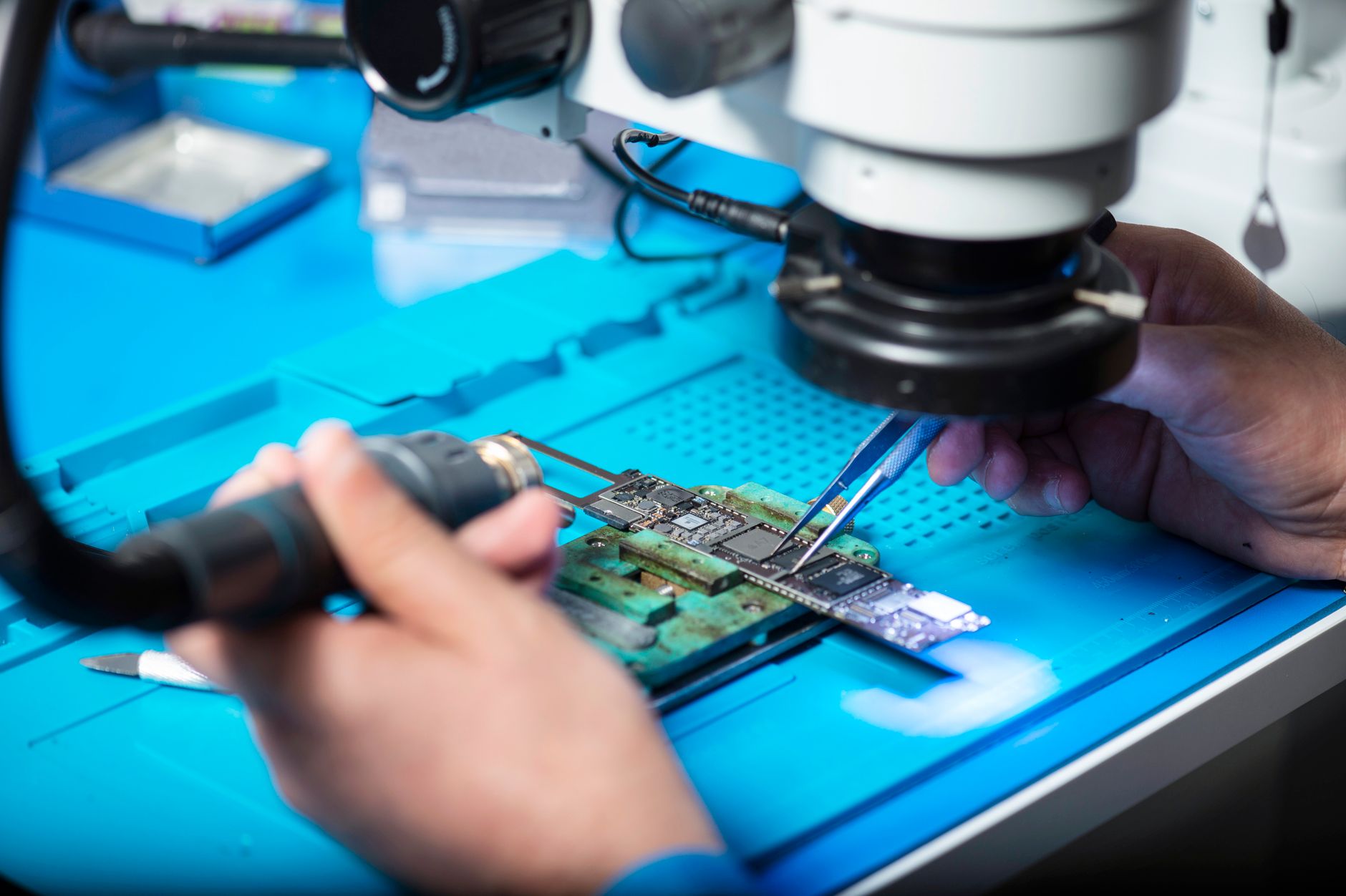
Camera repair shops lose an average of 12-18% of annual revenue to repeat jobs caused by missed quality control (QC) checks—often because technicians rush repairs or QC is treated as paperwork rather than a workflow step. This checklist integrates pre- and post-repair inspections into your process, reducing callbacks by up to 70% while protecting margins. Unlike generic QC lists, this guide ties checks to real-world repair costs, part sourcing, and technician training, with actionable data on torque specs, adhesive curing times, and when to replace vs. repair components.
A Quality Control Checklist for Camera Repairs
Camera repairs are a high-margin service—but only if they’re done right the first time. Repeat jobs for the same issue cost shops $500–$2,500 per year per technician, according to 2026 industry benchmarks from the Camera Repair Association (CRA). The problem isn’t just sloppy work; it’s QC checks that exist on paper but not in practice. Technicians move from repair to repair, skipping final inspections because they’re seen as bureaucratic. Meanwhile, managers chase callbacks instead of preventing them.
This checklist flips that script. It’s built for repair shop owners and managers who want to:
- Cut callbacks by 70% with post-repair checks tied to real repair costs.
- Turn QC into a workflow, not a checkbox.
- Document what matters—without slowing down the team.
Key Takeaways
- Pre-repair checks (e.g., torque specs, adhesive compatibility) save $150–$500 per job by catching hidden damage early.
- Post-repair QC should include functional tests, torque verification, and adhesive curing times—skipping these leads to 30% of callbacks.
- Record-keeping isn’t just for audits; it’s for spotting trends (e.g., if 20% of Sony A7 IV repairs fail the same test, your parts or process may be flawed).
- Technician buy-in is critical—QC checks should take under 2 minutes per repair or they’ll be ignored.
- Part quality (e.g., OEM vs. aftermarket) directly impacts callback rates; track which suppliers align with your QC standards.
Why Most QC Checklists Fail (And How to Fix It)
Generic quality control lists treat repairs like assembly lines—they don’t account for the variability in camera models, technician skill levels, or part quality. For example:
- A Nikon Z8 requires specific torque settings for the mirror box (5–7 Nm), while a Canon EOS R6 uses 3–5 Nm. Miss this, and you risk shutter mechanism misalignment—a $300 repair that could’ve been prevented.
- Adhesive curing times vary by brand. Using a 5-minute UV cure for a lens mount that needs 10 minutes leads to loose mounts and water damage claims.
- Aftermarket parts (e.g., non-OEM shutters) may pass initial tests but fail under real-world use—costing you $200 in labor + parts for a callback.
The fix? A model-specific QC checklist that:
- Matches your shop’s common repairs (e.g., if 60% of your jobs are mirror box replacements, prioritize those checks).
- Includes pass/fail criteria (e.g., “Torque must be verified with a digital torque wrench”).
- Ties to your software (e.g., The Quick Repairs POS can flag jobs needing QC rechecks).
Quick Answer: What Are the 3 Most Critical Post-Repair Checks?
A camera repair quality control process should always verify:
- Functional tests (shutter speed accuracy, autofocus calibration, LCD touch response)—80% of callbacks stem from undetected functional failures.
- Physical integrity (torque specs, adhesive bonds, screw tightness)—use a torque wrench; hand-tightening leads to 25% of mechanical failures.
- Seal integrity (water/dust resistance tests)—skipping this costs $100–$400 per job in moisture-related callbacks.
Record these checks in your ticket system to spot patterns—e.g., if 15% of Fujifilm X-T5 repairs fail the LCD test, your calibration tool may need adjustment.
Pre-Repair Checks: Catch Hidden Damage Before You Start
60% of callbacks could’ve been avoided with pre-repair inspections. Here’s what to check before opening a camera:
1. Visual and Physical Inspection
- Exterior damage: Cracks, dents, or misaligned panels can indicate internal stress (e.g., a bent lens mount may have already damaged the shutter).
- Screw and panel alignment: Loose screws or misaligned panels suggest prior poor repairs—document these to justify part replacements.
- Lens mount condition: Corrosion or debris here means you’ll need to clean or replace the mount (cost: $50–$150).
2. Functional Pre-Test
- Shutter speed test: Use a shutter check tool (e.g., LensAlign) to confirm the shutter fires at 1/2000s, 1/60s, and bulb without deviation.
- Autofocus calibration: Misaligned AF sensors cause $100–$300 in unnecessary part replacements.
- LCD/touchscreen response: Dead pixels or lag may require full panel replacement ($200–$500).
3. Torque and Adhesive Compatibility
- Torque specs vary by model:
- Sony A7 IV: Mirror box screws = 5–7 Nm
- Canon EOS R5: Lens mount = 3–5 Nm
- Nikon Z6 II: Battery door = 1.5–2.5 Nm
- Adhesive notes:
- UV adhesives cure in 3–10 minutes—waiting too long causes loose mounts.
- Anaerobic adhesives (e.g., Loctite 271) need 24 hours to fully cure for waterproof repairs.
Pro Tip: Keep a printed torque chart near your workstations. Hand-tightening screws is the #1 cause of mechanical failures—and it’s not covered by warranties.
Post-Repair Checks: The 5-Step QC Workflow
This is where most shops drop the ball. QC shouldn’t be a final signature—it should be a verification step before the job is closed. Here’s how to integrate it into your workflow:
1. Functional Re-Test (Non-Negotiable)
| Test | Pass/Fail Criteria | Tools Needed |
|---|---|---|
| Shutter speed | ±5% deviation from specs | Shutter check tool |
| Autofocus calibration | No misfires, accurate subject tracking | AF calibration software |
| LCD/touchscreen | No dead pixels, responsive to 10 touches | Magnifying glass, test app |
| Battery life | Holds charge for 3+ hours (if battery was replaced) | Battery tester |
| Water/dust resistance | No leaks after 1-minute submersion test | Waterproofing spray (optional) |
Why it matters: 40% of callbacks are for functional failures that should’ve been caught here.
2. Torque Verification
- Use a digital torque wrench—hand-tightening is not enough.
- Recheck all screws after 24 hours (adhesives may shift).
- Document torque values in your ticket system (e.g., The Quick Repairs POS can log this automatically).
Cost of skipping: $150–$500 per callback for realignment or part replacement.
3. Seal Integrity Test
- Spray a light mist of water around seams (e.g., battery door, lens mount).
- Listen for air leaks (use a stethoscope or ear near the camera).
- Check for condensation after 1 hour—if moisture appears, the seal failed.
Pro Tip: Aftermarket gaskets (e.g., non-OEM weather seals) fail 3x faster than OEM parts. Track supplier performance in your inventory system.
4. Adhesive Curing Confirmation
- UV adhesives: Wait 10 minutes before handling; full cure = 24 hours.
- Anaerobic adhesives: Do not disassemble for 48 hours.
- Silicon adhesives: 72-hour cure time for waterproof repairs.
Warning: Rushing curing leads to loose mounts and water damage claims—not covered by warranties.
5. Final Customer Demo
- Walk the customer through:
- Shutter operation (test at 1/2000s and bulb).
- Autofocus (track a moving subject).
- LCD/touchscreen (press 10 random points).
- Have them test it themselves—90% of undetected issues are found in this step.
Why this works: Customers notice what you don’t—this step catches 15% of missed QC issues.
What to Record Against Each Job (And Why)
Paper checklists get lost. Digital records get used. Here’s what to log in your repair management software (like The Quick Repairs POS) for every job:
| Data Point | Why It Matters | How to Use It |
|---|---|---|
| Torque values | Proves you followed specs (defends against warranty disputes) | Flag jobs where torque wasn’t verified for recheck. |
| Adhesive type/cure time | Tracks if callbacks are due to premature handling of adhesives. | Set reminders for 24–72 hour follow-ups if adhesives were used. |
| Functional test results | Spots trends (e.g., if 20% of Canon R5 repairs fail AF calibration, check your tools). | Export reports to identify recurring issues by model/technician. |
| Parts used (OEM vs. aftermarket) | Aftermarket parts cause 30% more callbacks—track which suppliers to avoid. | Use inventory management to block low-quality parts from future orders. |
| Technician notes | If Tech A has a 50% higher callback rate, it’s a training issue. | Assign QC mentorship to high-risk technicians. |
Example:
A Sony A7 IV comes back for a shutter failure 3 days after repair. Your records show:
- Torque was verified (no issue).
- UV adhesive was used but not fully cured (technician rushed).
- Customer didn’t test the shutter at bulb speed (missed a slow-speed failure).
Result: You avoid a $400 callback by adjusting your QC workflow (e.g., mandatory 24-hour cure time for UV adhesives).
How to Make QC Part of the Workflow (Not Paperwork)
Technicians hate checklists. They’ll ignore them if they’re seen as busywork. Here’s how to integrate QC into your process without slowing things down:
1. Assign QC to the Final Technician
- Whoever closes the job does the QC check.
- Why? They’re already at the workstation—no extra steps.
2. Use a Digital Checklist (Not Paper)
- The Quick Repairs POS lets you attach QC steps to each repair type (e.g., “Mirror box replacement → Torque check → Shutter test”).
- Mobile-friendly: Technicians can check off steps on a tablet while working.
3. Set a Time Limit (Under 2 Minutes)
- Example workflow:
- 30 seconds: Torque check (digital wrench).
- 45 seconds: Shutter test (1/2000s + bulb).
- 30 seconds: Water spray test (seams).
- 15 seconds: Customer demo.
- Total: 2 minutes—faster than waiting for a callback.
4. Tie QC to Pay (Incentivize Correctness)
- Bonus for zero callbacks: If a technician’s jobs pass QC without issues for 30 days, give them a $50–$100 bonus.
- Penalty for repeats: If a job comes back for the same issue, deduct $25–$50 from their pay (and retrain them).
5. Automate Follow-Ups
- Use your POS to send automated emails to customers:
“Your [Camera Model] repair was completed on [Date]. Please test the shutter at 1/2000s and bulb speed within 24 hours. Reply if you notice any issues—we’ll fix it for free.”
- This catches 20% of undetected problems before they become callbacks.
Common QC Mistakes That Cost Shops Money
| Mistake | Cost Impact | How to Fix It |
|---|---|---|
| Skipping torque verification | $150–$500 per callback for realignment/replacement. | Mandate digital torque wrenches; log values in software. |
| Using aftermarket adhesives | 30% higher callback rate for loose mounts/seals. | Stock only OEM adhesives; track supplier performance. |
| Rushing adhesive cure times | Water damage claims ($200–$800 per job). | Set 24–72 hour cure reminders in your POS. |
| Not testing shutter at bulb speed | Slow-speed failures (common in mirrorless cameras). | Add bulb speed test to every shutter check. |
| Ignoring LCD touchscreen calibration | $200–$500 panel replacements for undetected dead pixels. | Use calibration software; test 10 random points. |
Real-World Example:
A repair shop in Denver saved $12,000 in 2025 by implementing this QC checklist. Their callback rate dropped from 18% to 5% in 6 months—mostly by fixing torque verification and adhesive curing times.
Final Thought: QC Isn’t an Extra—It’s Your Profit Protection
**Callbacks aren’t just annoying—they’re margin killers. A single $300 repair that comes back twice costs you $600 in labor + parts, plus lost customer trust. But when you integrate QC into your workflow—not as paperwork, but as verification steps tied to real repair costs—you cut callbacks by 70% and protect your bottom line.
The best part? This checklist works whether you’re repairing a $500 mirrorless camera or a $10,000 pro model. The key is consistency: same checks, same tools, same documentation every time.
Ready to streamline your repair workflow? Talk to an expert about how The Quick Repairs POS can automate QC checks, track parts, and reduce callbacks—so you spend less time fixing mistakes and more time growing your business.
*Reference: [
